Verified by Trustindex

Mining, oil and gas, and infrastructure projects generate vast amounts of information. Engineering designs, environmental studies, GIS datasets, risk assessments, construction schedules and operational plans all play a critical role in project success.
Yet many of the most important project decisions are made by people who aren’t immersed in that information every day.
Whether you’re seeking regulatory approval, presenting to a board, engaging with Traditional Owners or consulting with local communities, success often depends on one thing:
Can people clearly understand the information they need to make an informed decision?
This is where visualisation can play a powerful role.
Why Visualisation Matters
Technical reports, spreadsheets and drawings remain essential project tools. However, they are not always the most effective way to communicate complex information to diverse audiences.
Visualisation can help bridge the gap between technical expertise and stakeholder understanding by:
- Making complex information easier to interpret
- Creating a shared understanding across stakeholder groups
- Supporting more informed decision-making
- Reducing misunderstandings and requests for clarification
- Improving engagement and participation
The goal isn’t to replace technical information. The goal is to make that information more accessible to the people who need to understand it. In our experience, when stakeholders can see, explore and experience a proposal, conversations often become more productive, and decisions can be made with greater confidence.
Start by Understanding Your Audience
Before deciding whether you need an animation, video, interactive application or immersive experience, it is important to understand who you’re communicating with.
Consider questions such as:
- Who is the audience?
- What is their level of technical knowledge?
- What aspects of the project matter most to them?
- What concerns or questions are they likely to have?
- How much time will they have to engage with the information?
A board presentation, for example, may require a concise, strategic overview of a project. A regulatory approvals process may require detailed communication of impacts, mitigation measures and proposed outcomes. Community members may want to understand what the project will look like and how it could affect them.
Define the Desired Outcome
Once you have identified your audience, the next step is understanding what you are trying to achieve.
Ask yourself, what do people need to understand, discuss or decide after seeing this information?
- Sometimes the objective is awareness and building trust.
- Sometimes it is consultation.
- Sometimes it is approval.
- Other times it is alignment between multiple stakeholders with competing priorities.
By clearly defining the desired outcome, it becomes much easier to identify the most appropriate communication approach.
Consider the Timing
Visualisation is often treated as the final step before an approval, presentation or engagement event. In reality, the best results are usually achieved when communication planning starts much earlier.
Early inclusion allows time to define objectives, understand stakeholder needs and select the most effective approach. It also ensures visualisation becomes an integral part of the engagement strategy, which can evolve as the project does.
Match the Medium to the Message
There is no single visualisation technology that suits every scenario. The most effective solution is often the one that best supports the conversation you’re trying to have.
3D Animations
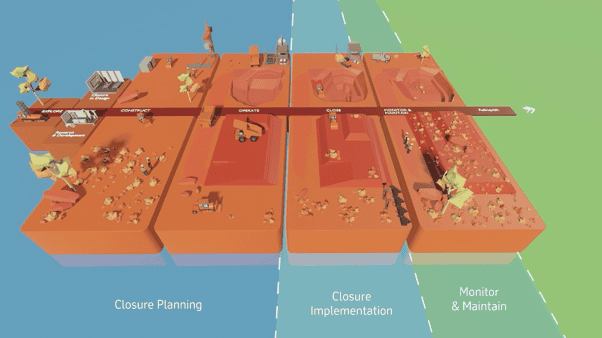
Animations are excellent for telling a story and guiding audiences through complex concepts in a structured way. When consistency of messaging is important and you want to control the narrative, animation is often a strong choice. They can help audiences visualise future outcomes, understand project impacts and quickly grasp information that may otherwise require hundreds of pages of documentation to explain.
Interactive Applications
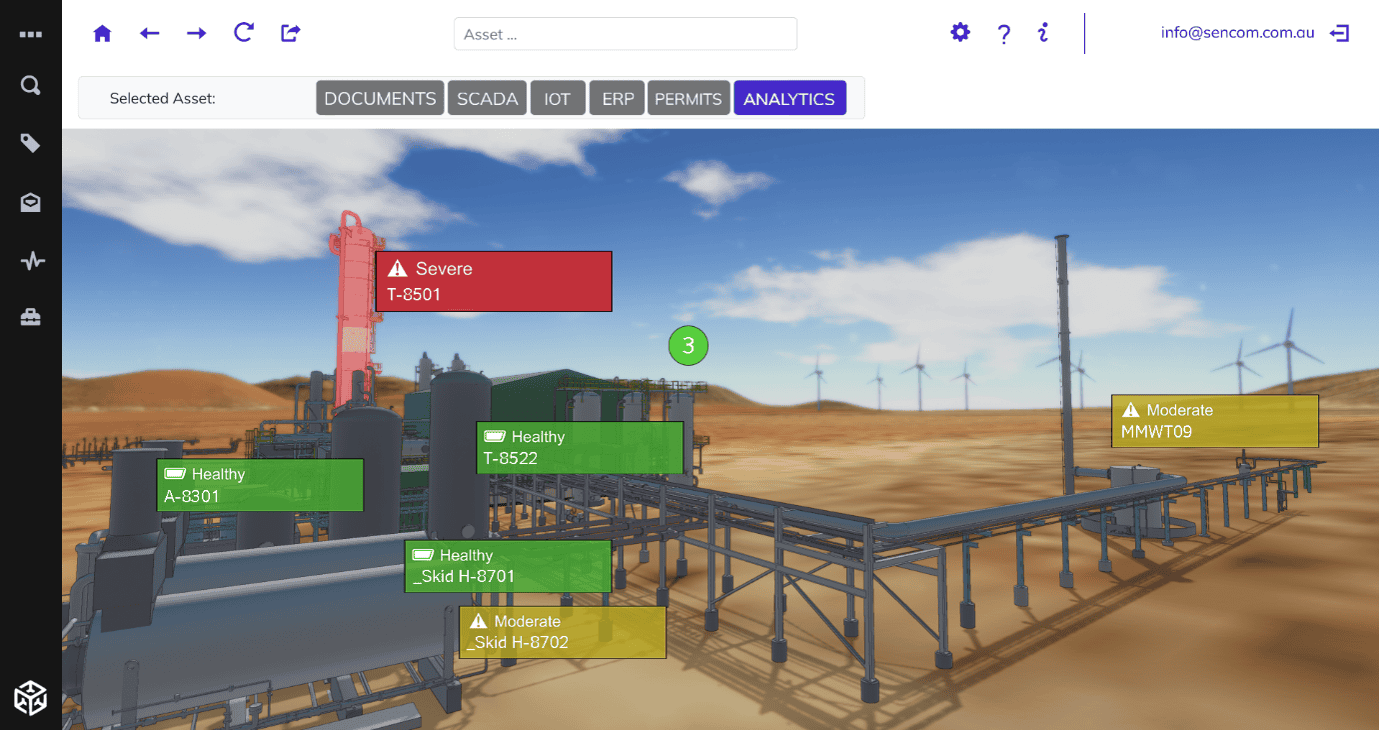
Sometimes stakeholders need more than a guided presentation; they need the ability to explore information independently. Interactive tools can be particularly effective when different audiences have different questions about the same project. Rather than following a predefined narrative, users can focus on the information most relevant to them, helping create more meaningful engagement and discussion.
Video Production
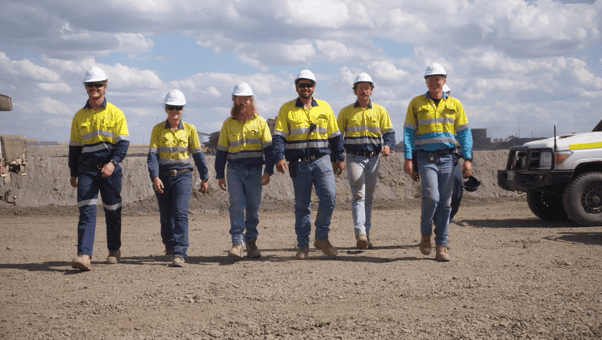
Not every engagement activity requires 3D content. In many situations, authentic conversations, real-world footage and personal stories can be just as powerful. Live-action video can capture project progress, demonstrate operational activities and provide a platform for subject matter experts, project leaders and community representatives to share their perspectives.
When the objective is to create connection and authenticity, video can be an incredibly effective communication tool. Stakeholders often respond positively to seeing real people, real environments and genuine conversations that help build trust and credibility.
Virtual Reality (VR)
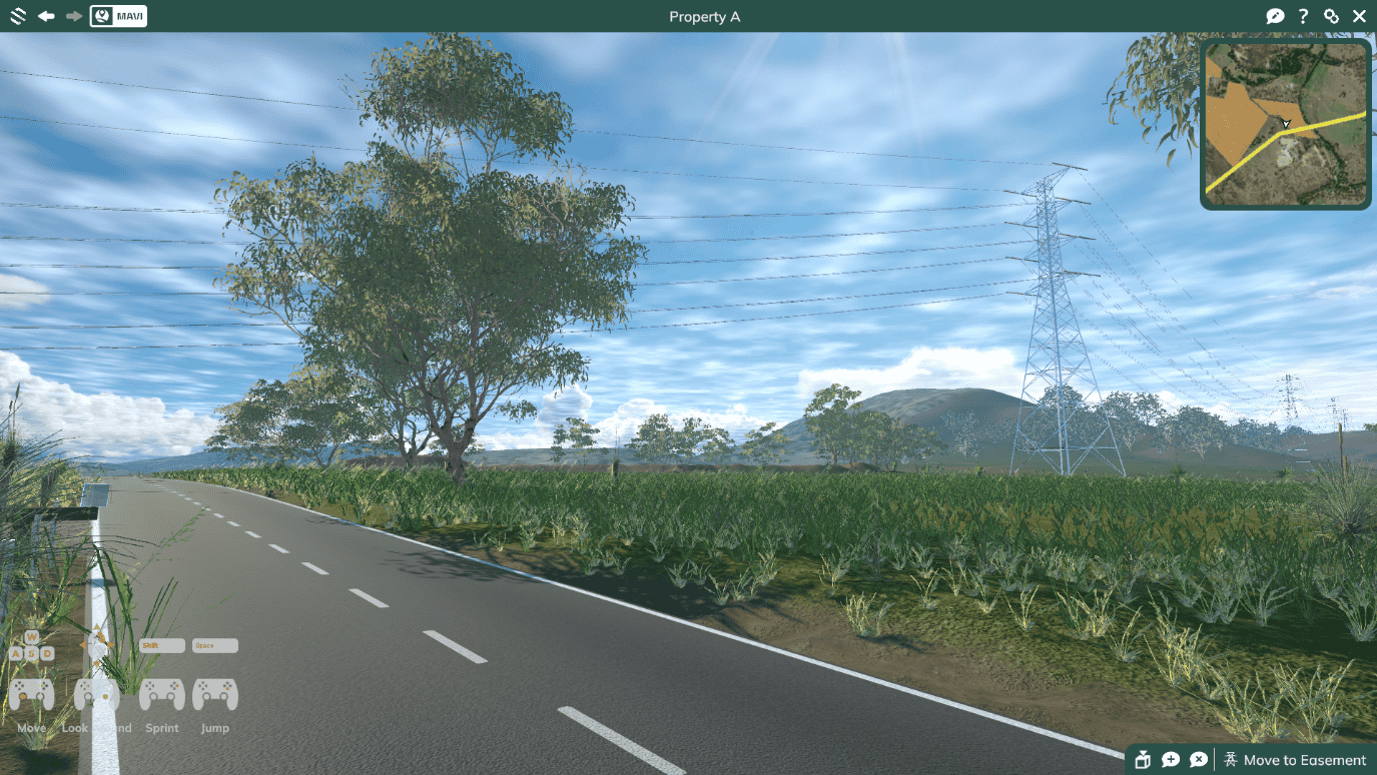
For projects where scale, space and physical experience are important, virtual reality can provide a level of understanding that traditional media simply cannot achieve. VR allows stakeholders to step inside a project and experience it from a first-person perspective.
This can help users better understand visibility, spatial relationships, operational environments and future infrastructure. In situations where it is difficult to communicate the physical reality of a proposal through drawings or video alone, immersion can help bridge the gap between explanation and understanding.

Immersive Rooms
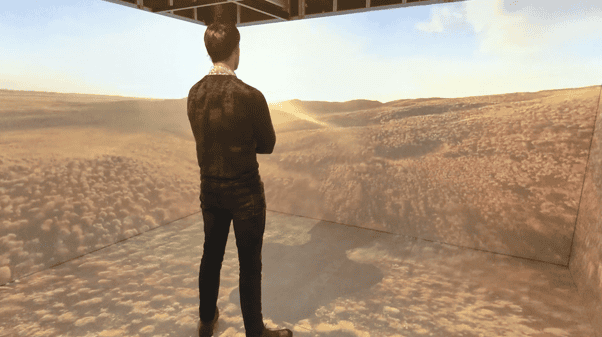
Immersive rooms bring stakeholders together in a shared visual environment where projects can be viewed, discussed and explored collaboratively. These environments can create meaningful opportunities for discussion and alignment between diverse stakeholder groups.
Unlike traditional presentations, immersive spaces turn project reviews into collaborative experiences. They allow participants to engage with information together, ask questions in real time and build a shared understanding of complex issues before decisions are made.
How Sentient Can Help
With so many visualisation options available, choosing the right approach can sometimes feel overwhelming. At Sentient, we work with organisations to understand their stakeholders, communication objectives and project requirements before recommending a solution.
Whether that’s animation, interactive applications, video production, or immersive experiences, our focus is always on helping clients communicate complex information more effectively. Because better understanding leads to better conversations, better decisions and ultimately better project outcomes.