Verified by Trustindex


A mine site was experiencing a persistent gap between training completion and on-site performance for priority rules and practices.
The issue wasn’t a lack of training; it was inconsistency, with operators arriving from other sites with different prior training. They had experience, but their habits were shaped by different rules and different approaches to vehicle interactions at intersections.
Macmahon taught structured approaches, including scanning methods like the 50/20/10 rule, where operators are trained to assess hazards well before reaching an intersection. But when contractors arrived with different ingrained habits, classroom-based inductions weren’t enough to retrain established behaviours and create consistent application across the workforce.
Macmahon recognised that the training content itself was sound. The challenge was in the delivery method. Classroom training could explain the site’s rules but couldn’t provide the repeated practical application needed to replace established habits with consistent, site-specific decision-making.
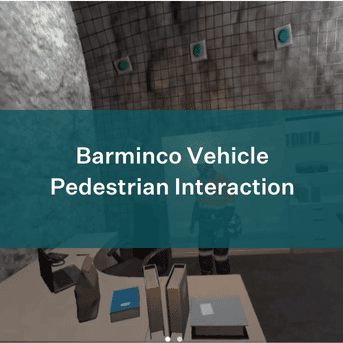
Rather than simply digitising existing classroom content, Macmahon partnered with Sentient to create a VR training module that allowed learners to practice applying priority rules through realistic, simulated driving scenarios prior to completing field-based verification on site.
Macmahon delivered instructor-led classroom training to establish a common understanding of the site’s priority road rules before learners entered the VR simulation. The session introduced the concepts, rules and decision-making framework that operators would later apply in realistic, scenario-based practice.
Key topics covered included:
Building on the theoretical knowledge established during instructor-led training, learners progressed to an immersive VR experience that placed them in realistic, site-specific driving scenarios. Rather than simply explaining the rules, the module required learners to apply them repeatedly by assessing each intersection, determining which vehicle had priority, and making the correct decision in real time.
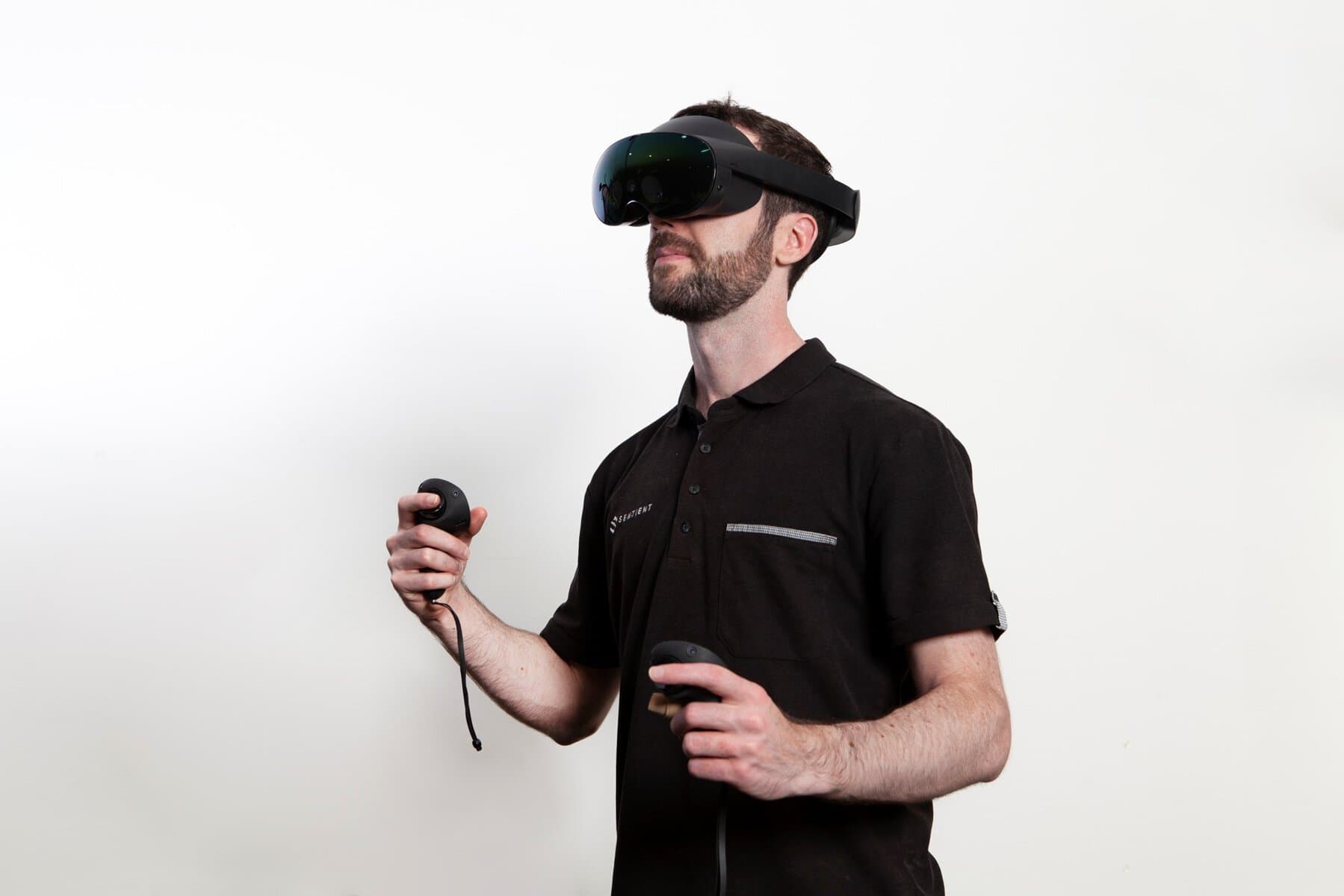
The VR environment replicated the mine site’s road network, vehicle types and operating conditions, allowing learners to practice the same decision-making process they would encounter on site before operating in a live environment.
The VR module included:
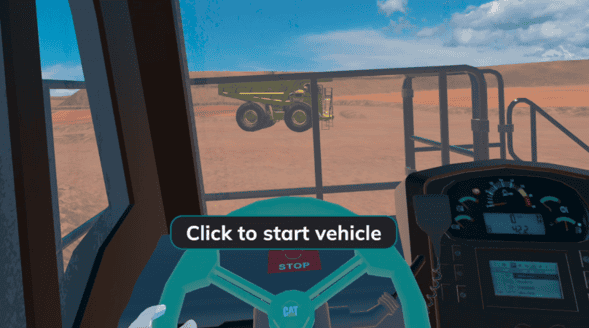
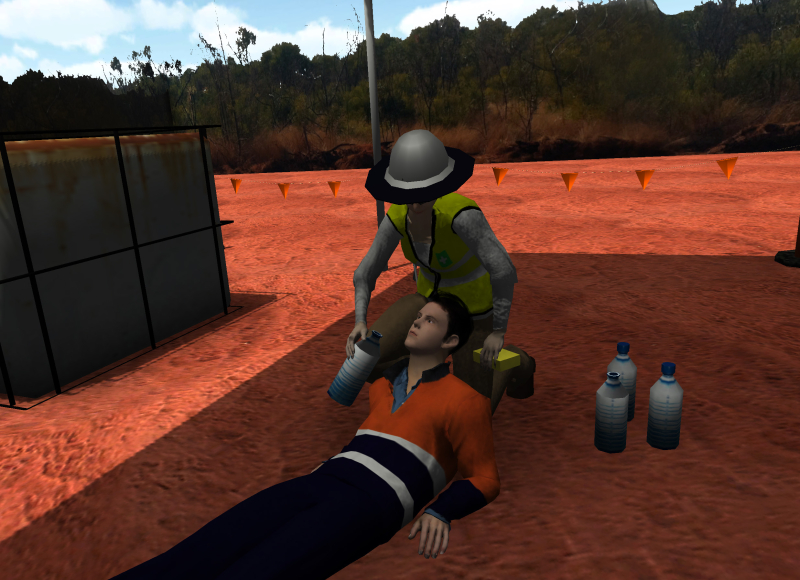
Screenshot taken from Sentient’s Priority Rules VR Module
The final stage took place on site, where learners first observed an experienced supervisor driving through operational intersections before progressing to driving the same routes themselves under supervision.
Field-based verification provided the final stage of the learning pathway, allowing learners to demonstrate the correct application of the site’s priority rules in the live operating environment.
The addition of VR to Macmahon’s existing learning pathway provided learners with practical experience applying the site’s priority rules before entering the live operating environment.
Technology alone doesn’t improve training outcomes. What made this project effective was the deliberate sequencing of learning: establish the knowledge foundation through instructor-led training, build confidence and judgement through realistic VR practice, then reinforce those behaviours through supervised field-based verification.
The result wasn’t replacing existing training – it was strengthening it. Learners arrived at field verification having already practised applying the site’s priority rules, allowing on-site supervision to focus on demonstrating those same behaviours in the operational environment.
Training Supervisor: “This is a fantastic product!! Provides a blended learning solution of facilitator-led presentation > VR and then field verification for priority rules.”
Blended learning doesn’t replace on-the-job training. It makes learners better prepared when they get there.
If your team trains for high-risk environments and you’re looking for training that reduces time to competency and creates consistency across a mobile workforce, we’d welcome the conversation.